
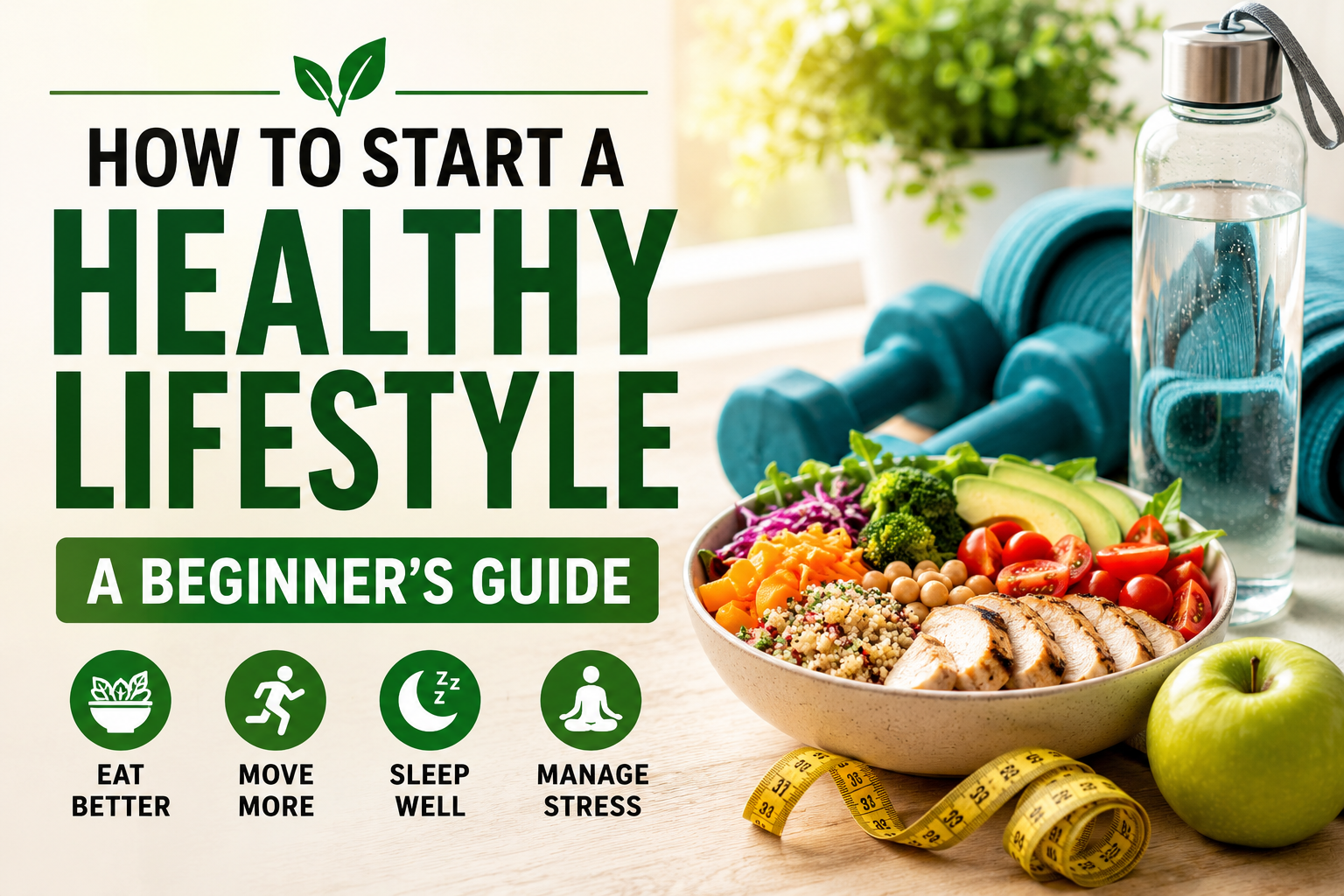
Starting a healthy lifestyle does not mean changing everything overnight. It means building small, consistent habits that support your physical health, mental well-being, and quality of life.
If you are wondering how to start a healthy lifestyle, the good news is that you do not need an expensive gym membership, complicated meal plans, or a perfect daily schedule. You can begin with simple choices, such as eating more nutritious foods, walking regularly, getting enough sleep, and making time to relax.
This beginner's guide explains the essential parts of healthy living and offers practical steps you can start using today.
What Does a Healthy Lifestyle Mean?
A healthy lifestyle is a pattern of everyday behaviors that supports physical health, mental well-being, and the ability to carry out daily activities. It is not a single diet, exercise program, or strict set of rules.
A balanced approach to healthy living can include:
- Eating a varied diet with plenty of nutritious foods.
- Moving your body regularly throughout the week.
- Getting sufficient, good-quality sleep.
- Finding practical ways to manage stress.
- Drinking fluids regularly and responding to your body's needs.
- Maintaining supportive relationships and seeking help when needed.
- Avoiding tobacco and other harmful habits.
- Keeping up with appropriate preventive healthcare.
The best routine is one you can maintain over time. Your needs may differ depending on your age, health, circumstances, culture, and activity level.
Why Is a Healthy Lifestyle Important?
Healthy habits can support your energy, physical function, emotional well-being, and long-term health. A balanced diet and regular physical activity can also help reduce the risk of several chronic diseases.
Depending on your circumstances, healthy lifestyle choices may help you:
- Maintain strength, mobility, and everyday fitness.
- Support heart and metabolic health.
- Improve sleep quality and daytime functioning.
- Support mood and emotional well-being.
- Maintain adequate nutrition and hydration.
- Build a more consistent and manageable daily routine.
Healthy habits cannot prevent every illness, and results vary between individuals. Genetics, environment, existing medical conditions, medications, and access to healthcare can all affect health.
7 Practical Steps to Start a Healthy Lifestyle
1. Improve Your Eating Habits Gradually
Nutritious food provides the energy and nutrients your body needs. Rather than following a restrictive diet, focus on variety, balance, and making realistic improvements to your usual meals.
Try these beginner-friendly changes:
- Include vegetables or fruit with more meals.
- Choose whole grains, such as oats, whole-wheat bread, or brown rice, when available and suitable for you.
- Include protein sources such as beans, lentils, eggs, fish, poultry, tofu, or other foods that fit your diet.
- Choose sources of unsaturated fats, such as nuts, seeds, and suitable vegetable oils.
- Reduce frequent consumption of foods and drinks high in added sugar, excess salt, or unhealthy fats.
- Pay attention to food labels and portion sizes without becoming overly restrictive.
You do not need to eliminate entire food groups unless there is a specific medical or dietary reason to do so. A balanced eating pattern should be practical, culturally appropriate, and affordable.
For example, a simple meal might include lentils or beans, vegetables, and whole-wheat roti or another grain. The exact combination can vary according to your preferences and nutritional needs.
2. Make Physical Activity Part of Your Day
Regular movement supports physical fitness and can benefit sleep, mood, and long-term health. You do not have to start with intense workouts to become more active.
Easy ways to begin include:
- Taking a short walk during a break.
- Walking to nearby destinations when practical.
- Using stairs when safe and appropriate.
- Trying gentle stretching or beginner-friendly exercises.
- Doing enjoyable activities such as dancing, cycling, or swimming.
For most adults, the World Health Organization recommends 150–300 minutes of moderate-intensity aerobic activity per week, or an equivalent combination of activity. Muscle-strengthening activities are also recommended on at least two days each week.
If you are currently inactive, start with an amount you can manage and increase gradually. Some activity is generally better than none. If you have a health condition, significant mobility limitations, or concerns about exercise safety, seek appropriate professional guidance.
3. Prioritize Quality Sleep
Sleep supports recovery, concentration, mood, and everyday functioning. Regularly getting too little sleep can make it harder to maintain other healthy habits.
To support better sleep:
- Keep a reasonably consistent bedtime and wake-up time.
- Create a quiet, dark, comfortable sleeping environment.
- Develop a relaxing wind-down routine.
- Reduce stimulating activities and bright screens near bedtime if they interfere with your sleep.
- Pay attention to how caffeine affects your sleep and avoid it late in the day if needed.
Many adults need around seven to nine hours of sleep each night, although individual needs vary. Persistent sleep difficulties, loud snoring with breathing interruptions, or ongoing daytime sleepiness are reasons to speak with a healthcare professional.
4. Stay Hydrated
Your body needs water for many normal functions. Fluid needs vary with temperature, physical activity, diet, age, and health conditions.
Simple ways to support hydration include:
- Keeping drinking water accessible during the day.
- Drinking regularly, particularly in hot weather or during physical activity.
- Including water-rich foods such as fruit and vegetables.
- Choosing water instead of sugary drinks more often.
There is no single fluid target that suits everyone. Follow medical advice if you have been told to limit fluids because of a heart, kidney, or other health condition. Do not force excessive amounts of water.
5. Learn to Manage Everyday Stress
Stress is a normal part of life, but ongoing stress can affect sleep, mood, concentration, and daily routines. Healthy coping strategies may help you manage difficult periods.
Consider trying:
- Slow, comfortable breathing exercises.
- Taking a short break from work or screens.
- Spending time outdoors when possible.
- Talking with a trusted friend or family member.
- Writing down your thoughts or organizing tasks into smaller steps.
- Making time for hobbies and enjoyable activities.
You do not have to manage every challenge alone. If stress, anxiety, or low mood persists or interferes with daily life, consider seeking support from a qualified healthcare professional.
6. Build a Consistent Daily Routine
A routine can make healthy choices easier because you spend less time deciding when to fit them into your day. Your routine does not need to be complicated or identical every day.
For example, you could:
- Eat breakfast or prepare a balanced first meal that suits your schedule.
- Take a short walk at a regular time.
- Keep nutritious snacks available when helpful.
- Set aside time to prepare for the next day.
- Follow a calming bedtime routine.
Choose habits that work with your responsibilities, energy levels, and circumstances. Flexibility is important, especially during busy or stressful periods.
7. Keep Up With Preventive Healthcare
Healthy habits are important, but they do not replace professional medical care. Routine checkups, recommended screening tests, vaccinations, dental care, and appropriate follow-up can help address health needs.
The right preventive care depends on factors such as age, medical history, family history, and individual risk. Ask a qualified healthcare professional which screenings and preventive services are appropriate for you.
Seek medical advice about persistent or concerning symptoms rather than relying solely on lifestyle changes or online information.
A Simple 7-Day Healthy Lifestyle Starter Plan
You do not need to change everything at once. Use this sample plan to begin building manageable habits. Adapt it to your circumstances and current abilities.
| Day | Small action | Goal |
|---|---|---|
| Day 1 | Add a serving of fruit or vegetables to a meal. | Begin improving meal variety. |
| Day 2 | Take a comfortable 10-minute walk if suitable. | Make movement part of your day. |
| Day 3 | Set a consistent bedtime target. | Support a regular sleep routine. |
| Day 4 | Keep water accessible and drink regularly. | Support everyday hydration. |
| Day 5 | Try five minutes of relaxing breathing or quiet time. | Practice stress management. |
| Day 6 | Plan a few balanced meals or prepare ingredients. | Make nutritious choices easier. |
| Day 7 | Review what worked and choose two habits to continue. | Build consistency. |
This is a flexible starter plan, not a medical treatment program. Repeat or adapt the actions as needed, and gradually work toward broader health recommendations that suit you.
Common Healthy Lifestyle Mistakes to Avoid
Trying to Change Everything at Once
Overhauling your meals, exercise, sleep, and schedule simultaneously can feel overwhelming. Start with one or two realistic habits, then add more when you are ready.
Following Extreme Diets
Highly restrictive eating plans may not provide adequate nutrition and can be difficult to maintain. Choose balanced eating patterns that meet your needs rather than relying on quick-fix promises.
Comparing Your Progress With Others
People have different starting points, responsibilities, resources, and health needs. Focus on your own progress instead of comparing your routine or results with someone else's.
Expecting Immediate Results
Some changes may feel helpful quickly, while other benefits take time. Measure progress through consistency and practical improvements rather than expecting a specific result by a certain date.
Ignoring Rest and Recovery
Exercise and healthy eating are only parts of overall well-being. Recovery, sleep, flexibility, and getting medical advice when necessary matter too.
How to Stay Consistent With Healthy Habits
Consistency becomes easier when healthy habits fit naturally into your existing life.
- Make the first step small: Choose an action that feels manageable on an ordinary day.
- Connect it to an existing routine: For example, walk after lunch or prepare tomorrow's water bottle in the evening.
- Track simple actions: Use a calendar or notebook to record habits you want to repeat.
- Prepare for obstacles: Have an alternative for rainy weather, busy days, or limited access to equipment.
- Restart without guilt: Missing a day does not erase your progress. Return to your routine when you can.
- Review what works: Change habits that are unrealistic rather than abandoning your overall goal.
The aim is not perfection. It is to develop a flexible set of habits that supports your health over time.
Frequently Asked Questions
1. How do I start a healthy lifestyle as a beginner?
Begin with one or two manageable habits, such as eating more vegetables, walking regularly, or establishing a consistent sleep schedule. Build gradually as your routine becomes easier to maintain.
2. What is the most important healthy habit?
There is no single habit that is most important for everyone. Nutrition, physical activity, sleep, stress management, and preventive healthcare work together. The best starting point depends on your current needs and circumstances.
3. Can I start a healthy lifestyle without going to a gym?
Yes. Walking, home exercises, dancing, cycling, and other activities can help you become more active. Choose safe activities that suit your ability and gradually increase activity as appropriate.
4. How long does it take to develop healthy habits?
There is no fixed timeline. It depends on the habit, your circumstances, and how consistently you practice it. Focus on making the action repeatable rather than expecting a habit to form by a specific date.
5. Do I need to follow a strict diet to be healthy?
Most people do not need an extreme or highly restrictive diet to improve their eating habits. A varied, balanced eating pattern that meets your nutritional needs is a more practical starting point. Specific medical conditions may require individualized dietary advice.
6. How can I live healthily on a limited budget?
Plan meals around affordable foods available locally, such as beans, lentils, seasonal vegetables, fruit, eggs, and suitable whole grains. Walking and many home-based activities can also support physical activity without a gym membership.
7. What if I have a medical condition?
General lifestyle guidance may need to be adapted to your condition, medications, mobility, or nutritional requirements. Discuss significant changes to your diet or exercise routine with a qualified healthcare professional when appropriate.
Final Thoughts: Start Small and Keep Going
Learning how to start a healthy lifestyle begins with understanding that lasting change does not require perfection. A few manageable habits, repeated consistently, can help you build a routine that supports your physical and mental well-being.
Start by choosing two actions from this guide. Perhaps you will add a nutritious food to your meals and take a short daily walk. Once these habits feel manageable, consider adding another change that fits your needs.
Your next step is simple: choose one healthy action you can take today, and make a realistic plan to repeat it.
References and Further Reading
Medical Disclaimer
This article is for general educational purposes only and is not a substitute for professional medical advice, diagnosis, or treatment. Health needs differ between individuals. Consult a qualified healthcare professional for advice about your personal circumstances, symptoms, medications, or changes to your diet and physical activity.